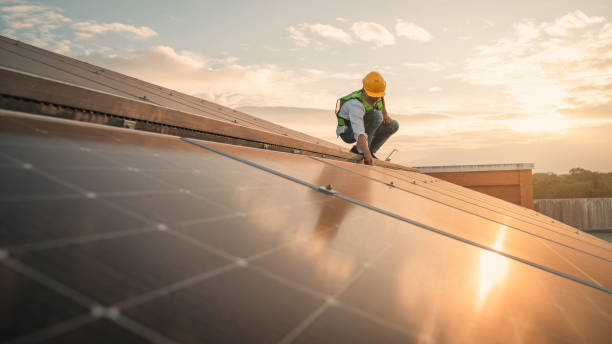
Choosing the appropriate commercial roofing system is a critical decision that can significantly impact your business operations, energy efficiency, and long-term costs. With various options available, selecting the right roofing solution requires careful evaluation of your specific needs, building structure, and budget. Below are essential considerations to ensure you make an informed choice.
Types of Commercial Roofing Systems
- Composed of multiple layers of asphalt and fabric.
- Offers excellent durability and insulation properties.
- Ideal for flat or low-slope roofs.
- Highly durable and resistant to weather damage.
- Available in various materials such as steel, aluminum, or copper.
- Long lifespan with minimal maintenance requirements.
- Lightweight yet durable material resistant to UV rays and chemicals.
- Excellent choice for businesses seeking energy-efficient solutions.
- A synthetic rubber membrane known for its flexibility and resilience.
- Relatively easy to install and repair over time.
- Incorporates vegetation over waterproofing layers.
- Improves building insulation while promoting environmental sustainability.
Factors to Consider When Selecting a System
- Building Structure:
Understand the design of your building—flat roofs may require different systems than sloped ones. - Climate Conditions:
Select materials that can withstand regional weather patterns, such as heavy rain, snow, or UV exposure. - Energy Efficiency Goals:
If energy conservation is a priority, look into reflective materials like TPO or cool roof coatings that reduce heat absorption. - Budget Constraints:
While initial costs are important, consider long-term expenses like maintenance, repairs, and potential energy savings. - Expected Lifespan:
Some systems require more frequent replacement than others; investing in durability upfront could save money over time.
Pros & Cons Table: Popular Systems
| Roofing Type | Pros | Cons |
| Built-Up Roofing | Durable; good insulation | Heavier; longer installation |
| Metal Roofing | Long lifespan; low maintenance | Higher upfront cost |
| TPO Roofing | Energy-efficient; lightweight | Prone to punctures if mishandled |
| EPDM | Flexible; cost-effective | Limited aesthetic options |
| Green Roofs | Eco-friendly; improves drainage | Higher installation costs |
Matching Your Roof to Business Needs
- Retail stores may prefer energy-efficient solutions like TPO or reflective coatings to reduce cooling costs.
- Industrial facilities may need robust options like metal roofing due to heavy equipment vibrations.
- Environmentally conscious businesses might consider green roofs that contribute to sustainability goals while enhancing curb appeal.
By evaluating these factors alongside professional input from experienced contractors, you’ll be better positioned to select a commercial roofing system tailored specifically to your business needs for optimal performance over time.
Key Selection Factors to Consider for Industrial Roofing Phoenix, AZ Success
When selecting a commercial roofing system, a thorough evaluation of multiple factors is essential to ensure durability, efficiency, and cost-effectiveness. Each business has unique needs, and the right roofing system should align with these requirements. Below are some critical considerations that can guide decision-making for a successful commercial roofing project.
Roof Longevity and Durability
- Metal Roofing: Known for its exceptional durability, with lifespans of 40–70 years.
- TPO (Thermoplastic Polyolefin): Offers energy-efficient properties and typically lasts 15–20 years.
- EPDM (Ethylene Propylene Diene Terpolymer): A rubber-based option that can last up to 25–30 years.
Evaluate how well each material resists common issues such as UV degradation, moisture penetration, or thermal expansion.
Climate Suitability
- In areas prone to heavy rainfall or snow accumulation, sloped or pitched roofs may be ideal for proper drainage.
- In hot climates, reflective or light-colored roofs like TPO or PVC can help minimize heat absorption and reduce cooling costs.
Businesses must consider regional challenges like high winds, hailstorms, or extreme sun exposure when making their selection.
Energy Efficiency
- Cool roofs with reflective coatings
- Green roofs featuring vegetation for natural insulation
- Insulated panels that enhance temperature control
Investing in energy-efficient roofing may also qualify businesses for tax incentives or credits in some regions.
Maintenance Requirements
| Roofing Type | Maintenance Frequency | Typical Maintenance Tasks |
| EPDM | Low | Checking seams and reapplying adhesive |
| Metal | Moderate | Recoating panels; tightening fasteners |
| Green Roofs | High | Landscaping upkeep; drainage checks |
Choosing a low-maintenance option could save time and money if resources are limited.
Cost vs. Value
- Initial investment
- Expected lifespan
- Maintenance expenses over time
- Prioritize materials offering both affordability and performance that align with your budgetary constraints.
For example: – While metal roofs may have higher upfront costs, their longevity often makes them cost-effective over time. – TPO can be more affordable at installation but may require earlier replacement compared to other materials.
Building Codes & Regulations
It’s crucial to ensure compliance with local building codes while choosing your roofing system. These regulations often dictate fire resistance ratings, wind uplift standards, or material restrictions depending on the region.
Engaging professional contractors familiar with these rules helps avoid potential legal complications during installation.
Key Considerations for Commercial Flat Roofing in Phoenix, AZ
Selecting the ideal commercial roof involves weighing multiple aspects—from environmental conditions to long-term value—while keeping industry regulations in mind. By thoroughly evaluating these factors before making a choice, business owners can safeguard their investment while achieving functional and aesthetic success from their commercial roofing system.
Essential Tips for Successful Commercial Roof Installation Phoenix, AZ
Choosing the right commercial roofing solution is a critical decision that can impact your building’s durability, energy efficiency, and long-term maintenance costs. A well-informed selection process requires evaluating several key factors to ensure your investment aligns with the unique needs of your business. Below, we outline the primary considerations that contribute to successfully selecting a commercial roofing system.
Building-Specific Requirements
- Building Usage: The purpose of your building influences its roofing needs. For example:
- Warehouses may prioritize insulation and fire resistance.
- Retail spaces may require enhanced aesthetic appeal.
- Structural Design: Flat, low-slope, or steep-slope roofs have varying material and installation requirements. Ensure compatibility with the existing design.
- Load-Bearing Capacity: Roofs must support equipment such as HVAC systems or solar panels without compromising structural integrity.
Climate and Environmental Conditions
- In areas prone to heavy rainfall or snow, choose materials with excellent waterproofing properties.
- For regions with high winds or hurricanes, opt for systems rated for wind resistance.
- UV Exposure: Prolonged sunlight exposure can degrade roofing materials over time. UV-resistant coatings or reflective surfaces are ideal for hot climates.
- Temperature Fluctuations: In regions with extreme temperature variations, consider thermal expansion-resistant membranes like TPO (Thermoplastic Polyolefin).
Longevity and Maintenance Needs
To maximize cost-efficiency over time, analyze each option’s lifespan and maintenance requirements.
| Roofing Material | Average Lifespan | Maintenance Frequency |
| EPDM | 20–30 years | Requires periodic resealing |
| TPO | 15–20 years | Minimal maintenance |
| Modified Bitumen | 10–20 years | Regular inspections needed |
| Metal Roofing | 30–50 years | Occasional panel replacement |
A longer lifespan often justifies higher upfront costs if maintenance expenses remain manageable.
Energy Efficiency and Sustainability
- Insulation Properties: Improved insulation reduces heating and cooling costs by maintaining indoor temperatures.
- Reflective coatings minimize heat absorption during summer months.
- White TPO membranes are popular for enhancing energy efficiency in warmer climates.
- Recyclability: Choose materials like metal roofs that are recyclable at the end of their lifespan.
Budgetary Constraints vs Long-Term Value
- Labor-intensive systems like built-up roofing may cost more initially but offer superior durability.
- Energy-efficient systems can reduce utility bills significantly over time.
- Opt for manufacturers offering extended warranties that cover material defects or premature wear.
By carefully evaluating these selection factors, businesses can ensure their commercial roof delivers optimal performance while aligning with operational goals and budgetary limits.

Expert Commercial Roofing Phoenix, AZ Solutions for Long-Lasting Durability
The installation process plays a critical role in determining the longevity and performance of commercial roofing systems. Even the highest-quality roofing materials can fail prematurely if not installed correctly. Below is an overview of professional installation practices that ensure your commercial roof remains durable and efficient over its lifespan.
Pre-Installation Preparation
- Inspection and Assessment: Evaluate the existing roof structure to identify potential issues, such as water damage, mold, or structural weaknesses.
- Surface Cleaning: Remove debris, dirt, and old roofing material to create a clean base.
- Moisture Barrier Installation: Ensure proper placement of moisture barriers and underlayment to protect the structure from leaks.
Proper Material Handling
- Store materials in a dry environment to prevent moisture absorption before use.
- Avoid dragging or dropping materials onto rough surfaces to prevent damage.
- Ensure adhesives and membranes are applied at their recommended temperatures for optimal bonding.
Installation Best Practices
- Adhering to Manufacturer Guidelines
Each type of roofing system—EPDM, TPO, metal roofs, etc.—has specific installation guidelines provided by the manufacturer. Following these recommendations ensures warranties remain valid. - Proper Fastening Methods
Use corrosion-resistant fasteners and ensure they are secured at precise intervals according to engineering requirements. Incorrect fastening can lead to wind uplift or leaks. - Maintaining Proper Insulation
Install insulation boards evenly with no gaps or overlaps. Consistent insulation coverage reduces thermal bridging and enhances energy efficiency. - Seam Sealing
For membrane roofs like TPO or PVC, seam sealing is crucial for water resistance. Heat-weld seams using specialized equipment for airtight results. - Slope Considerations
Flat roofs must have an adequate slope (typically 1/4 inch per foot) to facilitate proper drainage and prevent ponding water that can accelerate wear.
Post-Installation Inspections
- Verify that all flashings, edges, vents, and penetrations are properly sealed.
- Check for wrinkles or tears in membrane systems.
- Test drainage performance by simulating rainfall scenarios.
Preventative Maintenance Plans
Establishing a maintenance plan following installation helps extend the lifespan of your commercial roof. Include periodic inspections for signs of wear such as cracks, blisters, or loose fasteners.
| Maintenance Task | Frequency |
| Visual Inspection | Semi-annually |
| Gutter & Drain Cleaning | Quarterly |
| Flashing & Sealant Repairs | As needed |
| Rooftop Equipment Check | Annually |
By prioritizing professional installation techniques alongside regular upkeep measures, businesses can protect their investment while ensuring long-term reliability of their commercial roofs.
Professional Installation Techniques to Ensure Durable Commercial Roofs
Proper installation of a commercial roofing system is critical to its long-term performance and durability. Even the most advanced materials and designs can fail prematurely if installed incorrectly. Below, we outline professional techniques and best practices that ensure a durable, weather-resistant, and cost-effective commercial roof.
Pre-Installation Preparation
- Roof Inspection: Inspect the existing roof structure for damage, leaks, or structural weaknesses that need repair before installation begins.
- Moisture Mapping: Use infrared scanning or moisture meters to detect trapped moisture within the roof deck or insulation.
- Surface Cleaning: Remove debris, dirt, and any contaminants from the surface to ensure proper adhesion of roofing materials.
- Substrate Readiness: Verify that the substrate is secure, level, and compatible with the roofing type being installed.
Importance of Proper Material Handling
- Storage Conditions: Store all materials in dry conditions kept away from direct sunlight or extreme temperatures. High humidity or exposure to UV rays can weaken membranes and adhesives over time.
- Material Inspection: Before installation begins on-site verify seals integrity isn’t compromised
Sustainability Considerations for Modern Commercial Roofing Solutions
Sustainability has become a critical factor for businesses seeking to reduce their environmental footprint while maintaining operational efficiency. In the commercial roofing industry, adopting sustainable practices and materials not only supports eco-friendly initiatives but also provides long-term cost savings and energy efficiency benefits. Below, we delve into key sustainability considerations that can guide your choice in modern commercial roofing solutions.
Benefits of Sustainable Roofing Solutions
- Energy Efficiency: Reflective roofing materials, such as cool roofs or membranes with high solar reflectance, help minimize heat absorption and reduce cooling costs.
- Reduced Carbon Footprint: Using eco-friendly materials and reducing waste during installation contribute to lower greenhouse gas emissions.
- Extended Roof Lifespan: Sustainable systems often incorporate durable materials designed to withstand environmental wear and tear, lowering the need for frequent replacements.
- Enhanced Building Value: Green building certifications, such as LEED (Leadership in Energy and Environmental Design), increase property value by aligning with recognized environmental standards.
Popular Sustainable Roofing Materials
| Material | Description | Benefits |
| Cool Roofs | Roofs coated with reflective paint or membranes | Minimize heat absorption; improve energy efficiency |
| Recycled Metal Roofing | Made from post-consumer or post-industrial metals | Durable; recyclable at end-of-life; reduces landfill waste |
| Green Roofs | Roofs covered with vegetation or plants | Enhances insulation; reduces stormwater runoff; improves air quality |
| Solar Panels | Photovoltaic panels installed on the roof | Generates renewable energy; offsets reliance on traditional power sources |
| Single-Ply Membranes | Synthetic polymer-based materials like TPO or PVC | UV-resistant; energy-efficient coatings available |
Key Practices for Sustainable Commercial Roofing
- Recycling Old Materials: During roof replacement projects, ensure that old roofing materials are recycled rather than discarded in landfills where possible. Many metal roofs, shingles, and membranes can be repurposed into new products.
- Cool Coatings: Apply energy-saving cool coatings to existing roofs to increase reflectivity without needing a full roof replacement.
- Stormwater Management: Incorporate systems such as retention ponds or green roofs to manage stormwater runoff effectively, reducing strain on local drainage systems.
- Regular Maintenance: Prolonging the life of any roofing system through routine inspections prevents unnecessary re-roofing projects, reducing material consumption over time.
Emerging Technologies Supporting Sustainability
- Smart Roofing Systems: Integration of IoT (Internet of Things) technology enables real-time monitoring of roof conditions—detecting leaks early and reducing unnecessary repairs.
- Energy Harvesting Roof Membranes: Some modern membranes combine waterproofing performance with solar energy harvesting capabilities.
- Advanced Insulation Materials: Innovative insulation products improve thermal regulation while using environmentally friendly manufacturing processes.
By prioritizing sustainability in your commercial roofing decisions—whether through material selection or adopting best practices—you contribute not only to a greener future but also to reduced operating costs over time. Balancing these factors allows businesses to meet both environmental goals and practical needs efficiently.

Technological Advancements Shaping the Future of Commercial Roofing Company Phoenix, AZ
The commercial roofing industry has undergone significant evolution over the years, driven by technological innovation. These advancements are not only improving the efficiency and durability of roofing systems but also offering solutions that are smarter, more sustainable, and cost-effective. Below is an overview of how technology is shaping the future of commercial roofing.
Smart Roofing Systems
Smart technology is becoming increasingly integrated into commercial roofing. These systems use sensors and IoT (Internet of Things) devices to monitor roof performance in real time. Some key features include:
– Leak Detection Sensors: Advanced systems can detect moisture intrusion early, preventing costly damage.
– Energy Monitoring: Smart roofs can optimize energy efficiency by tracking heat retention and cooling performance.
– Weather Adaptation: Certain materials adjust to temperature changes to maximize insulation and minimize wear.
These innovations help business owners extend roof lifespan while reducing maintenance costs.
Advanced Materials for Enhanced Performance
Cutting-edge materials are redefining the durability and functionality of commercial roofs:
1. Cool Roofing Materials: Reflective coatings and membranes that reduce heat absorption contribute to lower energy costs in warm climates.
2. Self-Healing Membranes: Polymer-based materials can automatically repair small cracks or punctures, extending roof longevity without human intervention.
3. Lightweight Composite Materials: These materials maintain strength while being easier to transport and install, reducing labor costs.
By incorporating these advances, businesses can achieve better long-term value from their roofing investments.
Drone Technology for Roof Inspections
Traditional roof inspections often involve time-consuming manual evaluations that carry safety risks for workers. Drones have revolutionized this process by offering:
– High-resolution imagery for detailed assessments without physical access. – Faster inspection times, particularly for large-scale commercial properties. – Safer methods for identifying potential issues such as leaks or structural weaknesses.
Drones equipped with thermal imaging cameras can even detect hidden damages caused by water infiltration or poor insulation.
Green Roofing Innovations
Modern green roofing systems combine technology with eco-friendly practices to deliver sustainable solutions:
– Solar Panels Integration: Solar-ready roofs support renewable energy goals while reducing electricity expenses over time. – Rainwater Harvesting Systems: Incorporating water collection features helps manage stormwater runoff effectively. – Living Roofs with Vegetation Layers: These provide natural insulation while enhancing urban biodiversity and air quality.
Green roofs are becoming a popular choice for environmentally conscious businesses seeking LEED certifications or similar sustainability benchmarks.
Artificial Intelligence (AI) in Roof Design & Maintenance
AI-powered tools are revolutionizing both design planning and ongoing maintenance strategies within the industry: – Predictive analytics software evaluates historical data points (e.g., weather patterns) to optimize material selection based on location-specific needs. – Automated maintenance scheduling alerts owners when repairs are needed before major issues arise. – AI-driven simulations model roof performance under various conditions, ensuring optimal designs during installation planning phases.
With AI integration, businesses benefit from reduced risks associated with poor design decisions or deferred maintenance practices.
Benefits Summary Table
| Technological Advancement | Key Benefit | Business Impact |
| Smart Roofing Systems | Real-time monitoring & predictive alerts | Reduced downtime & proactive repairs |
| Advanced Roofing Materials | Increased durability & energy efficiency | Long-term cost savings |
| Drone Inspections | Faster & safer roof assessments | Improved decision-making |
| Green Roofing | Sustainability & regulatory compliance | Enhanced brand image |
| AI Tools | Data-driven design & maintenance | Optimized resource allocation |
The future of commercial roofing lies in leveraging these technologies to create systems that are smarter, more efficient, and aligned with modern sustainability goals. By understanding how these advancements impact their operations, businesses can make informed decisions about their roofing needs today while preparing for tomorrow’s innovations.
- A Comprehensive Guide to Hiring a Commercial Roofing Company Phoenix, AZ
- Signs of a Bad Commercial Roofing Phoenix, AZ Installation vs. a Proper One
- The Complete Guide to Hiring a Commercial Roofing Company Phoenix, AZ for Your Business
- Choosing the Best Commercial Roofing Contractor Phoenix, AZ for Your Business Needs
- Understanding Key Regulations and Standards for a Commercial Roofing Company Phoenix, AZ Property Owners and Contractors
- A Complete Guide to Commercial Roofing Phoenix, AZ Systems
- How Long Does a Commercial Roofing Company Phoenix, AZ Take for Metal Roof Installation?