
What Is Commercial Metal Roofing?
- Aluminum:Lightweight and rust-resistant, aluminum is ideal for coastal environments where saltwater exposure is a concern.
- Copper:A premium option with unmatched aesthetic appeal but higher costs.
- Zinc:Known for its self-healing properties when scratched and its long lifespan.
Each material type can be tailored to meet specific needs like environmental conditions, building codes, or architectural requirements.
Advantages of Commercial Metal Roofing
Investing in metal roofing can provide numerous benefits for businesses.
- Unlike traditional asphalt roofing systems that may require frequent repairs or replacements every 15–20 years, metal roofs require minimal upkeep.
- Available in various colors, profiles, and finishes to complement architectural styles while enhancing curb appeal.
Common Applications of Commercial Metal Roofing
| Building Type | Benefits of Metal Roofing |
| Warehouses & Factories | Long lifespan; withstands industrial pollutants |
| Retail Stores | Enhanced curb appeal; energy savings |
| Office Buildings | Modern aesthetic; low maintenance |
| Educational Institutions | Cost-effective over time; durable under heavy use |
Considerations When Choosing Metal Roofing
- Upfront Cost:
However, long-term savings on maintenance and energy bills typically offset these expenses over time. - Noise Levels During Rainfall:
Without proper insulation or sound-dampening measures installed beneath the roof panels, rainfall may create noticeable noise within the building interior. - Installation Expertise Required:
Installing a commercial-grade metal roof often requires specialized contractors familiar with these systems’ complexity.
Why Choose Metal Roofs for Your Business?
For companies seeking a durable yet sustainable solution that delivers both immediate functionality and long-term value, commercial metal roofing stands out as an excellent choice.
Discover How a Commercial Roofing Contractor in Phoenix, AZ Can Enhance Your Metal Roofing Solutions
Its versatility, longevity, and low maintenance requirements make it an attractive option for various industries and structures. Below, we explore the types of commercial buildings that can benefit the most from metal roofing systems.
Industrial facilities often require roofing that can withstand harsh environments, including exposure to chemicals, heavy machinery vibrations, and extreme weather conditions.
– Durability: Resistant to corrosion when treated with proper coatings.
– Protection: Exceptional performance against wind, rain, and snow.
– Energy Efficiency: Reflective coatings reduce energy costs by maintaining indoor temperature stability.
Withstanding wear and tear over decades makes metal roofing ideal for warehouses, manufacturing plants, and similar structures.
– Variety of Finishes: Available in different styles to match branding or design preferences.Energy Savings: Reduced heat absorption helps store operators lower cooling costs during warm seasons.Fire Resistance: Metal roofs provide increased safety in high-traffic areas.
– Resistance to pests that may harm traditional roof structures. – Minimal upkeep even in remote locations.
The lightweight yet sturdy nature of metal panels ensures ease of installation on large expanses typical of agricultural properties.
For office complexes and skyscrapers aiming to improve sustainability efforts while reducing operational expenses, metal roofing is a practical choice due to the following:
| Feature | Benefit | |——————————|————————————————————————| | Reflectivity | Helps reduce urban heat island effect in densely populated areas. | | Longevity | Minimal repairs required over decades compared to traditional options.
Such characteristics align with green building certifications like LEED (Leadership in Energy & Environmental Design).
Weather Resistance: Withstands storms without significant damage.Low Maintenance Costs: Reducing the need for frequent replacement or repair keeps operational budgets under control.Acoustic Insulation Options: Can be paired with soundproofing layers for quieter interiors conducive to learning environments.
Hotels or restaurants rely on curb appeal alongside functional longevity in their construction choices: – Sleek modern finishes add architectural value. – Superior resistance against leaks ensures guest comfort during inclement weather conditions.
Additionally—energy-efficient designs help reduce overhead utility expenses common within hospitality operations.
Businesses across multiple sectors benefit substantially from implementing commercial-grade metal roof systems tailored toward specific industry needs while enhancing environmental responsibility initiatives through sustainable material use methods .
Comparing Metal Roofs to Traditional Systems for Commercial Roofing in Phoenix, AZ
When it comes to choosing a roofing system for commercial buildings, property owners and managers are often faced with the decision between metal roofing and traditional roofing systems, such as asphalt shingles or built-up roofing (BUR). Each option has its benefits and limitations, but metal roofing stands out in several key areas that make it a compelling choice for commercial use.
Durability and Longevity in Industrial Roofing Phoenix, AZ
- Heavy snow loads: Their smooth surface prevents snow from accumulating, reducing the risk of structural damage.
In contrast, traditional asphalt shingles or BUR systems tend to degrade faster under such stresses. On average, metal roofs have a lifespan of 40–70 years compared to 15–25 years for asphalt shingles.
Energy Efficiency
| Feature | Metal Roofing | Traditional Roofing |
| Reflectivity | High (with appropriate coatings) | Low (absorbs more heat) |
| Cooling cost savings | Significant | Minimal |
| Environmental impact | Can include recycled materials | Often less eco-friendly |
Understanding Maintenance Requirements for Commercial Roof Installation Phoenix, AZ
- Cleaning debris and ensuring sealants remain intact are usually sufficient.
- Rust-resistant coatings help protect against corrosion.
Environmental Impact
This makes them an environmentally responsible choice for businesses aiming to reduce waste. In contrast, many traditional roofing systems generate significant landfill waste once they reach the end of their usability.
Cost Considerations
- The long lifespan offsets replacement costs over time.
- Reduced maintenance expenses lead to additional savings.
- Energy efficiency contributes further financial benefits through lower utility bills.
While traditional options may seem more budget-friendly upfront, they often result in higher lifetime costs due to frequent repairs and replacements.
Noise Concerns
One common misconception about metal roofing is that it is noisier during rainstorms or hail events than other types of roofing. Modern installation methods include insulation layers that significantly reduce noise levels. Traditional roofs also experience noise but may be less noticeable depending on material composition.
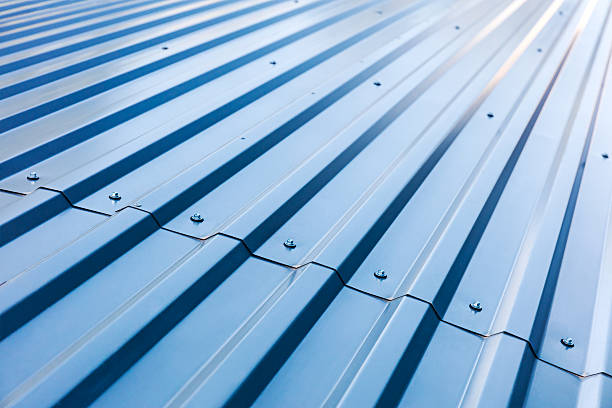
Can Metal Roofing Be Installed Over Existing Commercial Roof Structures
Installing a metal roof over an existing commercial roof structure is a growing trend in the roofing industry. This method, often referred to as a roof overlay, provides numerous benefits for businesses looking to upgrade their building’s roofing system without the need for complete removal of the current roof. However, careful evaluation and proper planning are necessary to ensure long-term performance and safety.
Benefits of Installing Metal Roofing Over Existing Roofs
- Eliminates the expense associated with tearing off and disposing of the old roofing material.
- Reduces labor costs since less work is required compared to a full removal and replacement.
- Installation time is shortened because existing roof removal is not required.
- Causes minimal disruption to business operations during installation.
- Prevents significant amounts of waste from being sent to landfills by reusing the existing structure.
- Metal roofing itself is often recyclable, further enhancing its sustainability.
- The existing roof can act as an additional layer of insulation, improving energy efficiency.
- Creates a double-layered barrier against leaks and weather-related damage.
Factors to Consider Before Installing Over an Existing Roof
- Structural Integrity:
The current structure must be inspected by a professional to ensure it can handle the added weight of a new metal roof. Weakened or damaged areas should be repaired before installation. - Roof Compatibility:
Not all types of commercial roofs are suitable candidates for overlays.- Flat roofs may require adjustments or framing before installing metal panels.
- Heavily deteriorated roofs may need partial or full replacement instead.
- Moisture Concerns:
Proper ventilation systems should be installed to mitigate this risk. - Local Building Codes:
Some jurisdictions limit how many layers of roofing material can be applied to a building due to fire safety codes or weight restrictions. Always verify local regulations before starting your project.
Recommended Steps for Installation
- Conduct a professional inspection of the current roof structure.
- Address any issues such as leaks, cracks, or damaged insulation prior to overlaying.
- Install appropriate underlayment or vapor barriers if required based on climate conditions.
- Use fasteners designed specifically for overlays.
- Inspect completed work thoroughly for water-tightness and adherence to design specifications.
Comparing Costs with Full Roof Replacement (Example Table)
| Aspect | Roof Overlay | Full Replacement |
| Labor Costs | Lower | Higher |
| Disposal Fees | Minimal | Significant |
| Environmental Impact | Reduced Waste | Higher Waste Generation |
| Business Downtime | Limited | Extended |
In conclusion, installing metal roofing over an existing commercial structure offers clear financial and logistical benefits while reducing environmental impact when executed properly. However, it requires careful planning and consideration of structural conditions, local codes, and overall compatibility with your business’s specific needs before proceeding with this approach.
However, like any roofing system, it comes with both advantages and drawbacks. Understanding these pros and cons will help businesses make informed decisions when considering metal roofing solutions.
- Durability
- Longevity
- Energy Efficiency
- Low Maintenance Requirements
- Eco-Friendly Options
This makes them a sustainable choice for businesses prioritizing environmentally friendly practices. - Fire Resistance
- Higher Upfront Costs
Although these costs are often recovered over time due to lower maintenance and longer lifespan, they may still deter some businesses with tight budgets. - Noise Levels During Rainfall
Without proper insulation or additional soundproofing measures in place, metal roofs can amplify rain noise inside the building. This could be disruptive in settings like offices or retail spaces where quiet environments are preferred. - Potential for Dents
While durable overall, some types of metal roofs (e. g. , aluminum) may dent under impact from heavy hailstorms or falling debris. - Thermal Expansion Issues
Metal expands and contracts with temperature changes. If not installed correctly with proper fastening systems in place, this movement could cause fasteners or seams to loosen over time.
Comparison Table: Pros vs Cons
| Pros | Cons |
| Long lifespan | High initial cost |
| Energy efficiency | Potential noise issues |
| Minimal maintenance | Vulnerability to dents |
| Fire resistance | Thermal expansion challenges |
| Eco-friendly |
Final Considerations
When evaluating whether a metal roofing system is right for your commercial building, it is essential to balance its benefits and drawbacks based on your business’s specific needs and priorities. Factors such as budget allocation, environmental goals, local climate conditions, and long-term performance expectations should all play a role in making this decision. Investing in professional consultation during planning stages can also ensure that your chosen solution aligns with your operational goals while maximizing return on investment over time.
Below is a detailed look at the pros and cons of metal roofing solutions for commercial buildings.
- They can withstand harsh weather conditions such as heavy rain, snow, hail, and strong winds.
- Many metal roofing systems are designed with reflective coatings that reduce heat absorption. This helps in reducing cooling costs during warmer months.
- Some metal roofs qualify for energy-efficient tax incentives or rebates.
- Installing a metal roof contributes to sustainable building practices.
- Unlike traditional shingle roofs that may require frequent repairs or replacements due to wear and tear, metal roofs need minimal upkeep over time.
- Most metal roofing systems have high fire resistance ratings (Class A), making them an excellent option for buildings in fire-prone areas.
- Metal expands and contracts with temperature changes throughout the day. Over time, this movement could cause fasteners or seams to loosen if not properly designed or installed.
- While highly durable overall, some types of thin-gauge metals may be susceptible to dents from significant impact (e. g. , large hailstones). Opting for thicker panels can help mitigate this issue.
- In some scenarios where existing roof structures are damaged or structurally weak, additional reinforcements may be necessary before installing a new metal roof system.
Comparison Table: Pros vs Cons
| Feature | Advantage | Disadvantage |
| Lifespan | 40-70+ years | Higher upfront cost |
| Energy Efficiency | Reflective coatings reduce cooling costs | May require additional insulation |
| Environmental Impact | Made from recycled materials | N/A |
| Maintenance | Minimal | Requires professional inspections |
| Weather Resistance | Withstands extreme conditions | May dent under heavy impact |
Understanding these pros and cons helps business owners make informed decisions about whether commercial metal roofing is the ideal solution for their specific needs.
- A Comprehensive Guide to Hiring a Commercial Roofing Company Phoenix, AZ
- Signs of a Bad Commercial Roofing Phoenix, AZ Installation vs. a Proper One
- The Complete Guide to Hiring a Commercial Roofing Company Phoenix, AZ for Your Business
- Choosing the Best Commercial Roofing Contractor Phoenix, AZ for Your Business Needs
- Understanding Key Regulations and Standards for a Commercial Roofing Company Phoenix, AZ Property Owners and Contractors
- A Complete Guide to Commercial Roofing Phoenix, AZ Systems
- How Long Does a Commercial Roofing Company Phoenix, AZ Take for Metal Roof Installation?