
Navigating the world of commercial roofing can be challenging, especially when it comes to understanding and adhering to the various regulations and standards that govern the industry. For both property owners and contractors, ensuring compliance is crucial to avoid legal issues, ensure safety, and maintain a building’s structural integrity. Below is an overview of key aspects related to commercial roofing regulations and standards.
Building Codes
Building codes are legal requirements established at local, state, or national levels that regulate construction practices. These codes ensure that roofing systems are installed safely and perform as intended under different environmental conditions.
- International Building Code (IBC):Widely adopted across the U. S. , the IBC sets forth general requirements for roof assembly performance, fire resistance, wind resistance, energy efficiency, and drainage.
- Local Building Codes:Municipalities often have specific codes tailored to regional weather patterns or structural considerations.
- Energy Codes:Compliance with energy conservation codes such as ASHRAE 90. 1 ensures that commercial roofs meet insulation standards for energy efficiency.
Occupational Safety Regulations
To safeguard workers during installation or repair projects, regulations enforced by organizations like OSHA (Occupational Safety and Health Administration) play a vital role.
- Fall Protection Requirements:OSHA mandates protective measures such as guardrails, safety nets, or personal fall arrest systems when working on roofs higher than six feet.
- Ladder Safety Requirements:Proper ladder use must comply with OSHA standards to minimize accidents during roof access.
- Material Handling Standards:Guidelines exist for safe handling of heavy roofing materials to reduce strain injuries.
Environmental Regulations
Efforts to reduce environmental impact have introduced new sustainability-focused requirements for commercial roofing systems.
- Cool Roof Standards:Many jurisdictions require reflective roofing materials that help reduce heat absorption in urban areas.
- Stormwater Management Rules:Roofing designs must sometimes incorporate features like green roofs or proper drainage systems to manage runoff effectively.
| Regulation Type | Governing Body/Standard | Example Requirements |
| Building Codes | IBC & Local Governments | Wind uplift resistance tests; minimum insulation R-values |
| Worker Safety | OSHA | Use of harnesses; edge protection |
| Environmental Compliance | Cool Roof Rating Council (CRRC) | Reflective coatings; LEED certifications |
Industry Standards
Beyond government-mandated codes, voluntary industry standards provide guidance on best practices for materials and installation techniques.
- FM Global Standards:These criteria ensure roofs can withstand various risks like fire exposure or wind uplift to protect insured properties.
- ASTM International Standards:ASTM publishes detailed specifications for testing roofing materials’ durability, waterproofing capabilities, and strength.
- NRCA Guidelines:The National Roofing Contractors Association offers design recommendations rooted in decades of industry expertise.
Why Compliance Matters
- Improved safety for occupants and workers.
- Long-term durability of the roof system under changing weather conditions.
- Enhanced property value due to high-quality installations meeting modern expectations.
By staying informed about regulations at every level—local ordinances through global best practices—property owners can partner with contractors who prioritize both quality workmanship and code compliance in their projects.
When designing or maintaining a commercial building, understanding the differences between flat and low-sloped roofing systems is critical. Both roof types are common in commercial applications, but they serve different purposes and come with unique benefits and challenges. This guide will explore their distinctions to help property owners and contractors make informed decisions for their buildings.
Understanding Flat Roofs and Low-Sloped Roofs with a Commercial Roofing Contractor Phoenix, AZ
- Flat Roofs: These roofs appear level, but they typically have a slight slope (about 1/4 inch per foot) to ensure proper drainage. They are widely used in commercial buildings due to their modern aesthetic and functional design.
- Low-Sloped Roofs: Low-sloped roofs have a steeper pitch than flat roofs, though they still fall within the range of minimal slope requirements. Their inclination generally ranges from 1/4 inch to 3 inches per foot.
Key Differences Between Flat and Low-Sloped Industrial Roofing in Phoenix, AZ
| Feature | Flat Roof | Low-Sloped Roof |
| Slope/Pitch | Minimal (approximately 1/4 inch per foot) | Slightly steeper (up to 3 inches per foot) |
| Drainage Efficiency | Requires carefully designed drainage systems | Improved natural water runoff |
| Material Options | Commonly uses EPDM, TPO, PVC | Allows for a wider variety of materials |
| Maintenance Needs | More frequent cleaning and inspections | Lower maintenance frequency |
Benefits of Commercial Flat Roofing in Phoenix, AZ
- Cost-Efficiency: Installation costs are typically lower due to fewer materials required.
- Ease of Maintenance: Flat surfaces allow easier access for repairing leaks or other issues.
- Functional Space Utilization: Provides space for HVAC units, solar panels, or rooftop gardens.
- Modern Appearance: A clean, minimalist look aligns with modern architectural trends.
Top Benefits of Commercial Roof Installation Phoenix, AZ for Low-Sloped Roofing Systems
- Improved Drainage: The increased slope helps water drain more naturally, reducing the risk of pooling.
- Durability in Weather Conditions: Better suited to handle snow loads or heavy rain compared to flat roofs.
- Extended Material Compatibility: Can accommodate shingles and other materials not ideal for flat surfaces.
- Enhanced Longevity: Reduced water retention often translates into longer-lasting durability.
Factors To Consider When Choosing Between These Systems
- Areas prone to heavy rainfall or snowfall might benefit from the improved drainage capabilities of low-sloped roofs.
- If your roof will house equipment like HVAC units or solar panels, the flat design may be more practical.
- Upfront costs can vary depending on material selection and structural adjustments required by the roofing system type.
Common Materials Used in Each System
The roofing material plays an essential role in overall performance.
For Flat Roofs:
- Thermoplastic Polyolefin (TPO)
- Ethylene Propylene Diene Monomer (EPDM)
- Polyvinyl Chloride (PVC)
For Low-Sloped Roofs:
- Modified Bitumen
- Built-Up Roofing (BUR)
- Metal Panels
- Asphalt Shingles (when applicable)
Understanding these distinctions ensures you select the right roofing system tailored to your building’s requirements while balancing functionality, cost-effectiveness, and longevity considerations. Proper planning during this process not only enhances structural integrity but also reduces long-term operational costs through efficient performance over time.
Characteristics of Flat Roofs
Flat roofs are not entirely flat but have a slight slope, usually less than 2%. This minimal slope is designed to allow water to drain properly while maintaining a nearly level surface.
Key features of flat roofs include:
– Slope: Typically less than 1/4 inch per foot (or 2%).
– Drainage System: Requires proper drainage mechanisms such as internal drains or scuppers.
– Ease of Access: The flat design provides easier access for maintenance, HVAC equipment installation, or rooftop amenities.
– Material Options: Common materials include EPDM (rubber roofing), TPO (thermoplastic polyolefin), PVC membranes, and Modified Bitumen.
Advantages of Flat Roofs
- Cost-effective installation due to simpler structures and reduced material use.
- Provides additional usable space for solar panels, HVAC units, or even green roofing systems.
- Easier inspections and repairs due to walkable surfaces.
Challenges with Flat Roofs
- Higher susceptibility to water pooling if drainage systems fail.
- May require more frequent inspections to ensure water-tightness.
Characteristics of Low-Sloped Roofs
Low-sloped roofs have a slightly steeper gradient than traditional flat roofs but remain far less pitched compared to residential steep-slope options. These typically range from 2%–4% incline (1/4 inch–3 inches per foot).
Key features of low-sloped roofs include:
– Improved Drainage: The increased pitch helps reduce the risk of standing water issues compared to flatter designs.
– Material Versatility: Like flat roofs, low-sloped systems utilize membranes like TPO or Modified Bitumen but can also adapt well with standing seam metal panels for enhanced durability.
Advantages of Low-Sloped Roofs
- Better water run-off minimizes risks associated with leaks or pooling.
- Wider range of compatible materials that enhance durability in harsh climates.
Challenges with Low-Sloped Roofs
- Slightly higher material and labor costs due to added complexity in design.
- Still requires regular maintenance to address potential vulnerabilities at seams or penetrations.
Comparison Table
| Feature | Flat Roof | Low-Sloped Roof |
| Slope | <2% | 2%-4% |
| Water Drainage | Relies on internal systems | Improved natural runoff |
| Material Options | EPDM, TPO, PVC | TPO, Metal Panels |
| Usable Rooftop Space | High | Moderate |
| Installation Costs | Lower | Slightly higher |
Choosing the Right System
Deciding between a flat roof and a low-sloped roof depends on several factors unique to your building:
1.Climate Conditions: In areas prone to heavy rain or snow accumulation, low-sloped roofs may provide better drainage capabilities.
2.Intended Use: If you plan on utilizing the rooftop for solar panels or other functional purposes, a flatter design may prove more practical.
3.Budget Constraints: Flat roofs generally offer lower upfront costs compared to their slightly sloped counterparts.
By understanding these differences—both structural and functional—property owners can make informed decisions tailored specifically toward their building’s needs while ensuring long-term safety and performance efficiency in their commercial roofing system choices.
How to Effectively Integrate Solar Panels into Your Commercial Roofing System for Sustainability
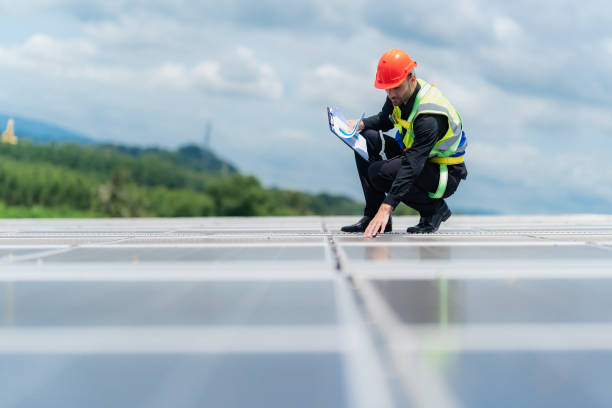
Integrating solar panels into your commercial roofing system is a forward-thinking approach to achieving energy efficiency, reducing operational costs, and meeting sustainability goals. However, the process requires careful planning and consideration of several factors to ensure a seamless and effective implementation.
Benefits of Solar Integration
- Energy Cost Savings: Solar panels generate renewable energy, cutting down on electricity costs.
- Tax Incentives: Many governments offer tax credits, grants, or rebates for commercial properties that invest in solar energy systems.
- Reduced Carbon Footprint: Solar energy reduces reliance on fossil fuels, lowering greenhouse gas emissions.
- Enhanced Property Value: Buildings with solar installations are often more attractive to potential buyers or tenants due to their energy efficiency.
Key Considerations Before Installing Solar Panels
- Ensure your roof is structurally sound and free from any damage.
- Flat roofs or low-sloped roofs are typically ideal for solar panel installations due to their accessibility and space availability.
- Conduct an assessment of the roof’s load-bearing capacity.
- Confirm that it can support the additional weight of the solar panels without compromising structural integrity.
- Proper sealing around mounts or penetrations is essential to prevent water leaks.
- Use weather-resistant materials to maintain long-term durability.
- Evaluate the building’s location and determine optimal placement of panels for maximum sunlight exposure.
- Avoid shading from nearby buildings or structures that could impact efficiency.
- Adhere to local zoning codes, permits, and safety standards governing solar installations.
- Engage with certified contractors who are familiar with regulatory requirements in your area.
Steps for Effective Integration
- Conduct a roof inspection with a professional contractor.
- Design a layout for the solar array based on sunlight analysis tools.
- Choose high-quality photovoltaic (PV) panels suited to your energy needs.
- Coordinate installation timelines with roofing system maintenance schedules (if necessary).
- Install mounting systems designed specifically for commercial roofs (e. g. , ballasted mounts for flat roofs).
- Perform regular inspections post-installation to ensure proper functioning.
Comparing Roofing Systems Suitable for Solar Panels
| Roofing Type | Ideal For Solar? | Key Features | Examples |
| Flat Roofs | Yes | Large surface area; easy accessibility | TPO, EPDM |
| Low-Sloped Roofs | Yes | Efficient drainage; suitable panel positioning | Modified Bitumen |
| Steep-Slope Roofs | Limited | Challenging installation; limited space | Metal Roofing |
Partnering with Professionals
Collaborating with experienced roofing contractors and certified solar installers ensures proper design and execution of your project while maintaining compliance with building codes and warranty provisions on both the roof and panels.
By taking a proactive approach toward integrating renewable energy solutions like solar power into your commercial roofing system, you can significantly enhance operational efficiency while promoting sustainability across your business operations.
Identifying the Best Materials for Long-Lasting and Durable Commercial Roofing Systems
Selecting the right materials is crucial for ensuring the longevity and performance of a commercial roofing system. Factors like weather resistance, maintenance requirements, energy efficiency, and cost all play a role in determining the most suitable option. Below, we delve into some of the best materials for durable commercial roofs, their features, and where they perform best.
Key Considerations When Choosing Roofing Materials
Before opting for any roofing material, property owners and contractors should evaluate several factors: – Climate: Materials should be suited to withstand local weather conditions such as heavy rain, snow, high temperatures, or strong winds.Building Design: The slope or flatness of a roof can dictate which materials are compatible.Lifespan Expectations: Investing in materials with longer lifespans can reduce replacement frequency.Energy Efficiency: Reflective coatings or insulation capabilities can help lower energy consumption.
Top Commercial Roofing Materials
- Features:
- Highly reflective surface that improves energy efficiency.
- Resistant to UV rays, ozone exposure, and chemical damage.
- Lightweight yet durable.
- Lifespan: 15–20 years with proper maintenance.
- Best For: Businesses seeking cost-effective sustainability.
- Features:
- Combines asphalt with polymerized rubber or plastic for increased flexibility.
- Multi-ply systems offer extra durability against foot traffic and punctures.
- Easy to install on flat or low-sloped roofs.
- Lifespan: 20–30 years depending on installation quality.
- Best For: Buildings requiring robust waterproofing systems.
- Features:
- Exceptional durability against extreme weather conditions such as hailstorms or heavy snowfalls.
- Long lifespan with minimal maintenance needs.
- Can be coated with reflective finishes to improve cooling efficiency in hot climates.
- Lifespan: 40–50 years or more when properly maintained.
- Best For: Industrial facilities looking for long-term solutions.
- Features:
- Synthetic rubber membrane highly resistant to UV radiation and thermal shock.
- Good waterproofing properties due to seamless application methods like adhesives or fasteners.
- Lifespan: 25–30 years under optimal conditions.
- Best For: Cost-conscious projects in moderate climates.
- Features:
- Superior resistance to chemicals such as oils or grease spills often found in manufacturing environments.
- Weldable seams ensure long-lasting water resistance without leaks.
- Lifespan: 20+ years with routine inspections and upkeep.
- Best For: Restaurants or facilities prone to grease buildup.
Comparison Table of Roofing Materials
| Material | Lifespan | Key Benefits | Ideal Applications |
| TPO | 15–20 years | Energy-efficient; UV-resistant | Sustainable designs |
| Modified Bitumen | 20–30 years | Flexible; waterproof | Flat/low-sloped buildings |
| Metal | 40–50+ years | Weather-resistant; low maintenance | Industrial/commercial facilities |
| EPDM | 25–30 years | Affordable; thermal shock-resistant | Moderate climate regions |
| PVC | 20+ years | Chemical-resistant; durable seams | Facilities exposed to grease/oils |
Maintenance Practices That Extend Durability
Even the best roofing material requires regular care to maintain its performance over time: – Conduct biannual inspections for signs of damage such as cracks, pooling water, or wear around flashing areas.
– Clean gutters and drains regularly to prevent blockages that could lead to standing water on flat surfaces.
– Repair minor issues promptly—small leaks left untreated can worsen quickly over time.
By choosing the right material based on your building’s specific needs and committing to regular maintenance schedules, you can significantly extend the life of your commercial roof while optimizing its performance year-round.
The Advantages of TPO and Modified Bitumen for Modern Commercial Roof Installations
Thermoplastic Olefin (TPO) and Modified Bitumen are two highly regarded materials in the roofing industry that offer distinct advantages for modern commercial roof installations. Below is a detailed exploration of their benefits to help property owners and contractors make informed decisions.
Advantages of TPO Roofing
TPO (Thermoplastic Olefin) has become one of the most popular choices for commercial roofing. This single-ply membrane offers a balance of affordability, energy efficiency, and durability.
Key Benefits of TPO: – Energy Efficiency:
TPO membranes typically come in light colors such as white or light gray, which reflect sunlight and reduce heat absorption. This can significantly lower cooling costs during warmer months by improving energy efficiency.
- Cost-Effective Installation:
Compared to other single-ply roofing systems like EPDM or PVC, TPO offers a competitive price point while maintaining excellent performance characteristics. - Resistant to UV rays, ozone degradation, and chemical exposure.
- Withstands thermal expansion and contraction without cracking or splitting.
- Environmentally-Friendly Material:
Many TPO products are fully recyclable at the end of their lifespan, making them a sustainable choice.
| Feature | Performance Rating | Notes |
| Reflectivity | High | Reduces heat island effect |
| Installation Cost | Moderate | More affordable than PVC |
| Lifespan | 15–20 years | Depending on maintenance practices |
| Chemical Resistance | High | Ideal for rooftop installations |
Advantages of Modified Bitumen Roofing
Modified Bitumen (Mod-Bit) systems have been trusted in the industry for decades due to their proven reliability and exceptional waterproofing capabilities.
Key Benefits of Modified Bitumen: – Superior Waterproofing Properties:
Modified Bitumen’s multi-layer design ensures enhanced protection against water penetration, making it an excellent choice for areas with heavy rainfall or snow.
- Resistant to foot traffic due to its reinforced layers.
- Ideal for buildings requiring frequent rooftop access (e. g. , HVAC maintenance).
- Ease of Repair & Maintenance:
Repairs can be performed seamlessly with patchwork solutions, extending its service life without requiring a full replacement. - Temperature Performance:
Modified Bitumen performs well in extreme temperature fluctuations due to its composition using bituminous binders combined with polymers such as APP (Atactic Polypropylene) or SBS (Styrene Butadiene Styrene).
Comparing TPO vs.
| Feature | TPO | Modified Bitumen |
| Energy Efficiency | High reflectivity | Moderate |
| Installation | Single-ply; lightweight | Multi-layer; heavier system |
| Lifespan | ~15–20 years | ~20+ years |
| Waterproofing | Good | Exceptional |
| Maintenance | Minimal | Periodic patch repairs needed |
Making the Right Choice for Your Commercial Roof
Both TPO and Modified Bitumen offer significant advantages tailored to specific roofing needs. While TPO is ideal for property owners prioritizing energy savings and sustainability, Modified Bitumen stands out as a robust solution where waterproofing and physical strength are critical factors. Contractors should evaluate factors like budget constraints, weather conditions, building use, and potential rooftop access requirements before recommending one material over the other.
By aligning your selection with your facility’s priorities — whether it’s cost-efficiency or long-lasting protection — you can maximize the value derived from your commercial roof installation.
- A Comprehensive Guide to Hiring a Commercial Roofing Company Phoenix, AZ
- Signs of a Bad Commercial Roofing Phoenix, AZ Installation vs. a Proper One
- The Complete Guide to Hiring a Commercial Roofing Company Phoenix, AZ for Your Business
- Choosing the Best Commercial Roofing Contractor Phoenix, AZ for Your Business Needs
- Understanding Key Regulations and Standards for a Commercial Roofing Company Phoenix, AZ Property Owners and Contractors
- A Complete Guide to Commercial Roofing Phoenix, AZ Systems
- How Long Does a Commercial Roofing Company Phoenix, AZ Take for Metal Roof Installation?